
Meters TDS are generally easy to use, and while they can tell you about your water, a TDS meter cannot tell you if your water is safe to drink based on total dissolved solids levels alone. Unlike some advertisements used by reverse osmosis (RO) system and water pitcher brands that you may have seen or heard, a TDS meter only tells a small part of the story when it comes to assessing the suitability of water for drinking.
What can a TDS meter tell you? How does it work?
Solids dissolved in water, such as salts, minerals and heavy metals, contain charged particles: negatively charged (anions) and positively charged (cations). Most TDS meters simply use electrodes to measure the resulting electrical conductivity of the water, which the meter converts to a TDS value.
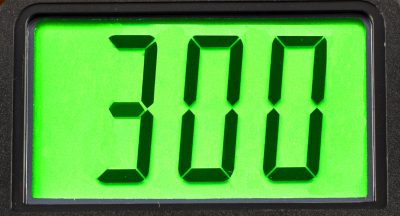
Water with higher levels of dissolved solids will have greater electrical conductivity (and therefore higher TDS meter readings), and water with lower levels of dissolved solids will have lower electrical conductivity (lower TDS meter readings). TDS meter readings are usually expressed in parts per million (ppm), which also equates to mg/L.
TDS meters can be helpful in confirming the removal of total dissolved solids if your home or business uses a water distillation or reverse osmosis system. TDS readings can also help you assess the hardness of your water and whether a water softener system might be needed, or if scale buildup/deposits in your pipes might be related to excess minerals present in your water.
What are examples of total dissolved solids?
Dissolved solids include salts, minerals (many of which can be beneficial to your health) and heavy metals (which can be bad for you). Some of the most common dissolved solids include aluminum, calcium, magnesium, chloride, potassium, sulfate, nitrate, silica, iron, lead, potassium, sodium, and zinc.
What are the sources of total dissolved solids, good and bad?
- Urban and agricultural runoff
- Wastewater industrial
- Salt water intrusion into fresh water sources used by municipal water supplies
- Wastewater
- Water pipes in your home
- Road de-icing salts
- Natural sources – aquifers, springs (often rich in beneficial minerals)
Are there acceptable levels of total dissolved solids in drinking water?
Total dissolved solids are considered by the Environmental Protection Agency (EPA) to be a "harmful chemical" because they can affect the taste, color and odor of water drinkable. Therefore, EPA has established non-enforceable maximum secondary contaminant levels (also known as SMCL) for total dissolved solids and other contaminants that are not considered to pose a risk to human health at SMCL.
The maximum secondary contaminant level for total dissolved solids is 500 mg/L. Water containing total dissolved solids levels above the EPA recommended maximum secondary contaminant level of 500 mg/L would likely not be very attractive to drink. It might taste salty or be less than light in color. Other effects of high levels of total dissolved solids in drinking water can include water hardness, scale formation, and staining.
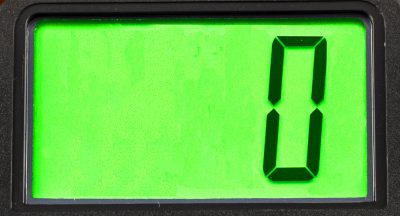
Before jumping into the hype of "0" TDS claims, consider the following:
- While a "0" TDS reading would indeed indicate that no dissolved solids are present, a "0" TDS reading also indicates that no beneficial mineral (that your body needs) remains in the drinking water. Many consumers prefer filtration systems that allow water to retain beneficial minerals that can help support the body's ability to stay hydrated. Additionally, “0” TDS water – essentially the same as the distilled water you would use in an iron, CPAP machine, or aquarium – will have very little, if any, taste or a “flat” flavor due to the absence of minerals or impurities. On the other hand, some people are willing to pay a high price to buy mineral water, which is considered healthier and tastier. But because of the minerals in water that contribute to taste, the TDS readings of top-selling mineral water brands can often vary between 200 and 2,000+ (doing a web search for "popular mineral water TDS levels" can be quite complicated). -opening). So this begs the question: Is "0" TDS (or low values) really the best way to determine water quality?
- Depending on the source of drinking water (especially well water or other questionable tap water sources like at a campground or national park), filtering that water through certain systems (like a pitcher with a water filter) might still give you a "0" TDS reading. , yet water can still be contaminated with typical contaminants such as Giardia, Cryptosporidium, bacteria (E. coli, etc.), toxic chemicals, or any other water contaminant threats that are undetectable by TDS meters.
- In a more extreme scenario (just to make a point), although juice from a package of raw chicken sitting on the counter for hours could hypothetically register " 0 » TDS, you would never drink it due to the likely presence. of bacteria. The same reasoning applies to drinking water: Unless it's tested for specific threats or filtered by a powerful, proven water filtration system, you really don't know what you're drinking.
What can a TDS meter not measure?
TDS meters can only measure electrical conductivity levels in drinking water caused by dissolved solids. Some models can also measure water temperature, pH level and salinity. However, TDS meters cannot tell you what dissolved solids (good or bad) or contaminants might be present. For a specific breakdown of dissolved solids or other contaminants in your water, a more thorough water test is necessary.
And because a TDS meter only detects charged ions, a TDS meter cannot measure , a TDS meter cannot measure contaminants uncharged contaminants. Uncharged contaminants include a number of contaminants that affect the safety of drinking water.
Some of the uncharged contaminants of greatest concern that may be found in drinking water and which ne are not detected by a TDS meter include, but are not limited to :
- Perfluorinated “forever chemicals” such as PFAS
- Potentially fatal biological microorganisms/pathogens such as viruses, bacteria and parasites such as cryptosporidium and giardia, etc.
- Pesticides and other chemicals toxic
- Lead
- Hexavalent chromium
- Fluoride
- Drugs
- Petroleum products
- Arsenic
- Chlorine
- Other types of contaminants that might be present in your drinking water
The bottom line
Again, TDS meters can only measure "harmful chemicals" affecting taste, odor and appearance, but A TDS meter will not tell you if (or what) more potentially harmful contaminants might be present in your drinking water and could present both an immediate health effect. (biological contaminants or toxic chemicals) or long-term health risks (such as PFAS, lead, etc.). Relying on a TDS meter to determine whether drinking water is truly suitable for your family's consumption is a risky and foolish gamble at best.
Additionally, it should be noted that many water filter companies – some perhaps dishonestly – continue to run advertisements showing a TDS meter displaying a low value such as "0" or "5" on the screen, and implying or even directly stating that due to low TDS readings, the water filtered by their system is the best or safest to drink.
Avoid the TDS meter: choose a proven and powerful water filtration system
Berkey ® systems equipped with authentic Black Berkey ® elements have been tested by accredited and independent third-party laboratories to eliminate or reducing over 250 typical contaminants in tap water sources, including reducing many harmful contaminants that are not detected by TDS meters.
Berkey ® systems were originally designed for extreme use for emergency preparedness, disaster relief and off-grid operations. They are also used daily in millions of homes around the world by discerning consumers who have declared their water independence and trust the quality of Berkey ® . systems to meet their drinking water needs. Berkey ® systems are available in eight sizes and provide economical, long-lasting water filtration for just pennies per gallon. No electricity, tools or plumbing required.


